
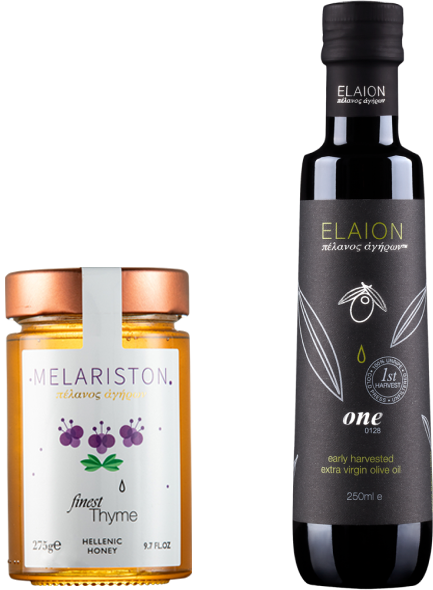
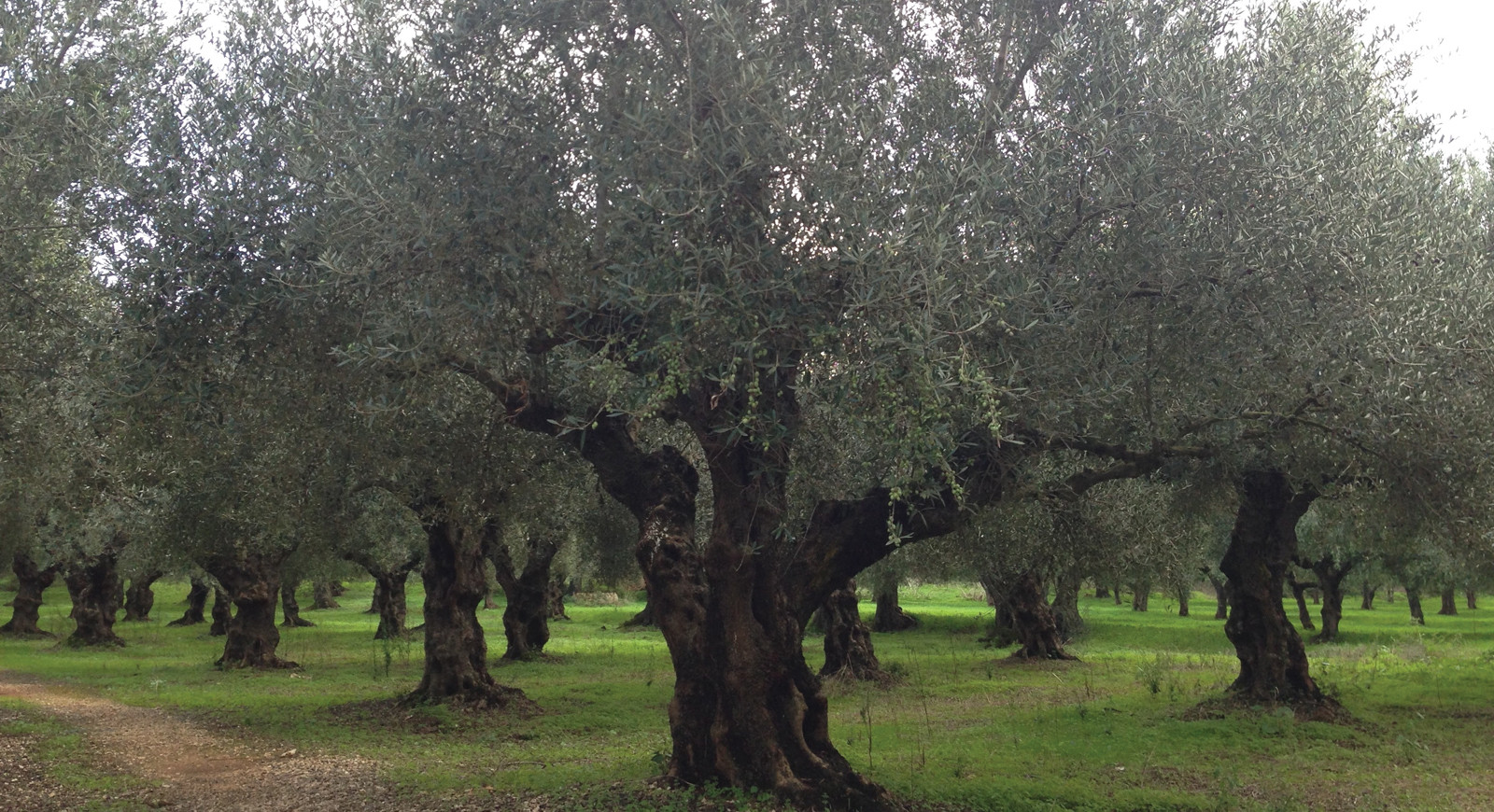
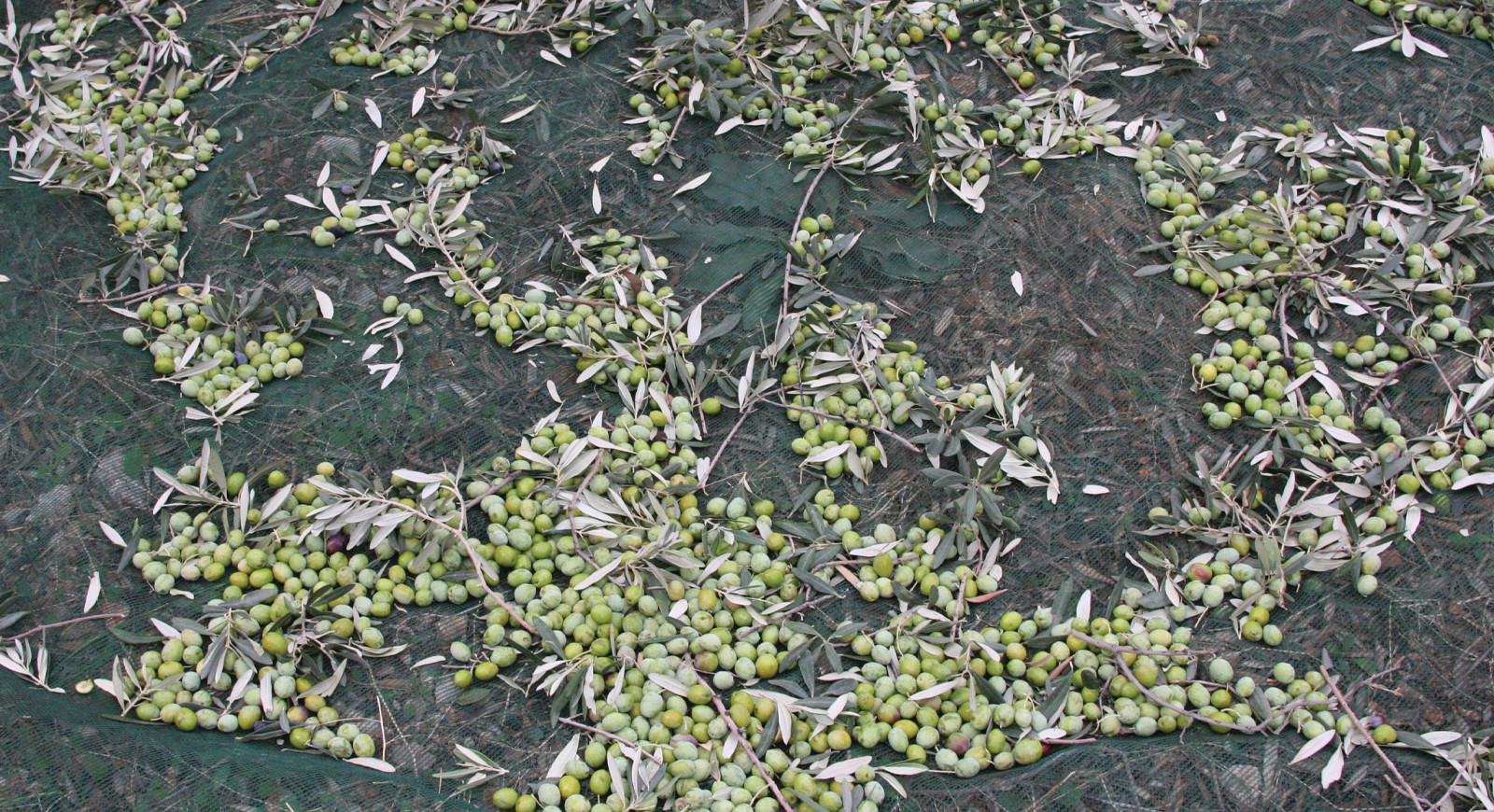
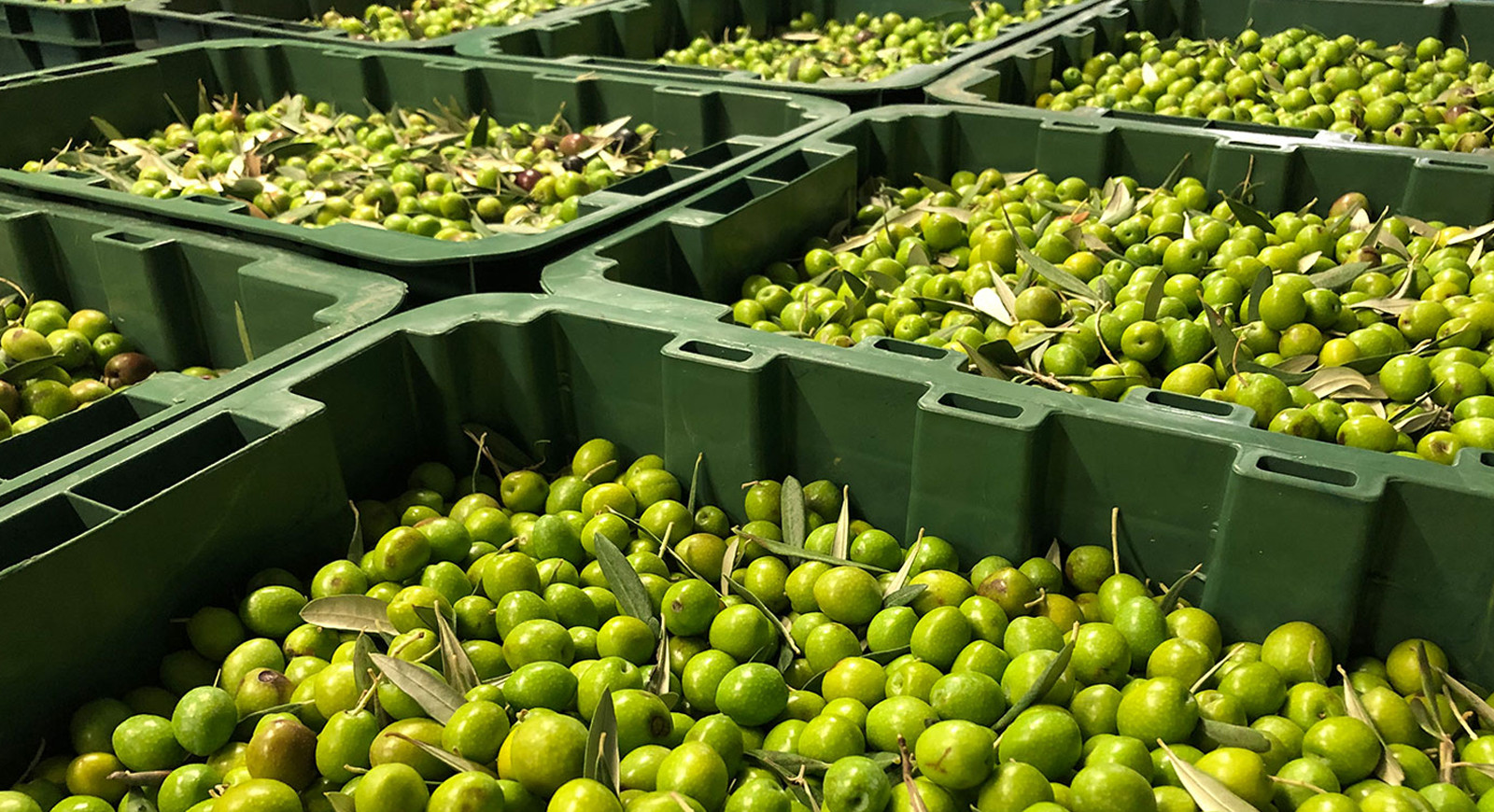
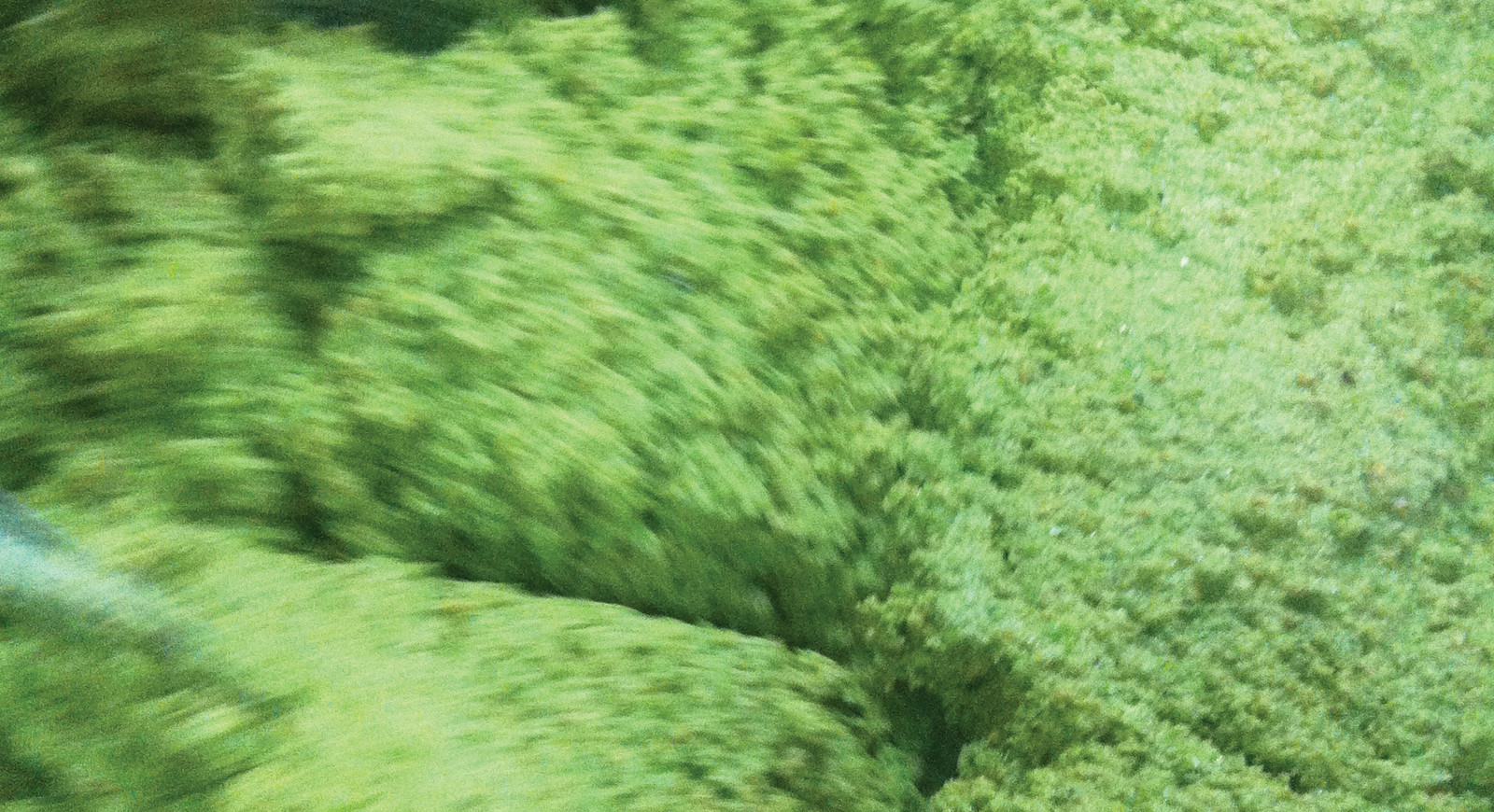
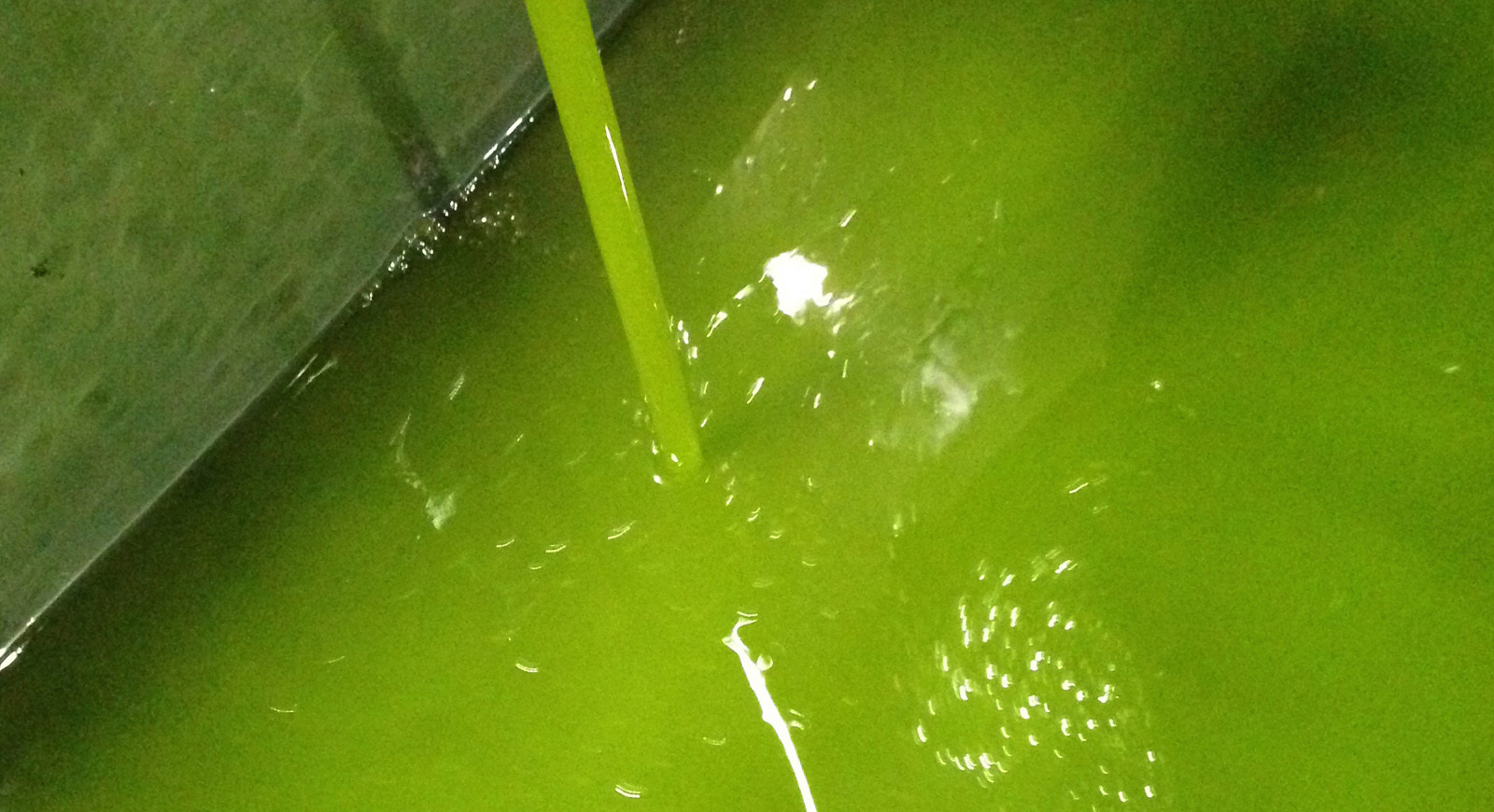
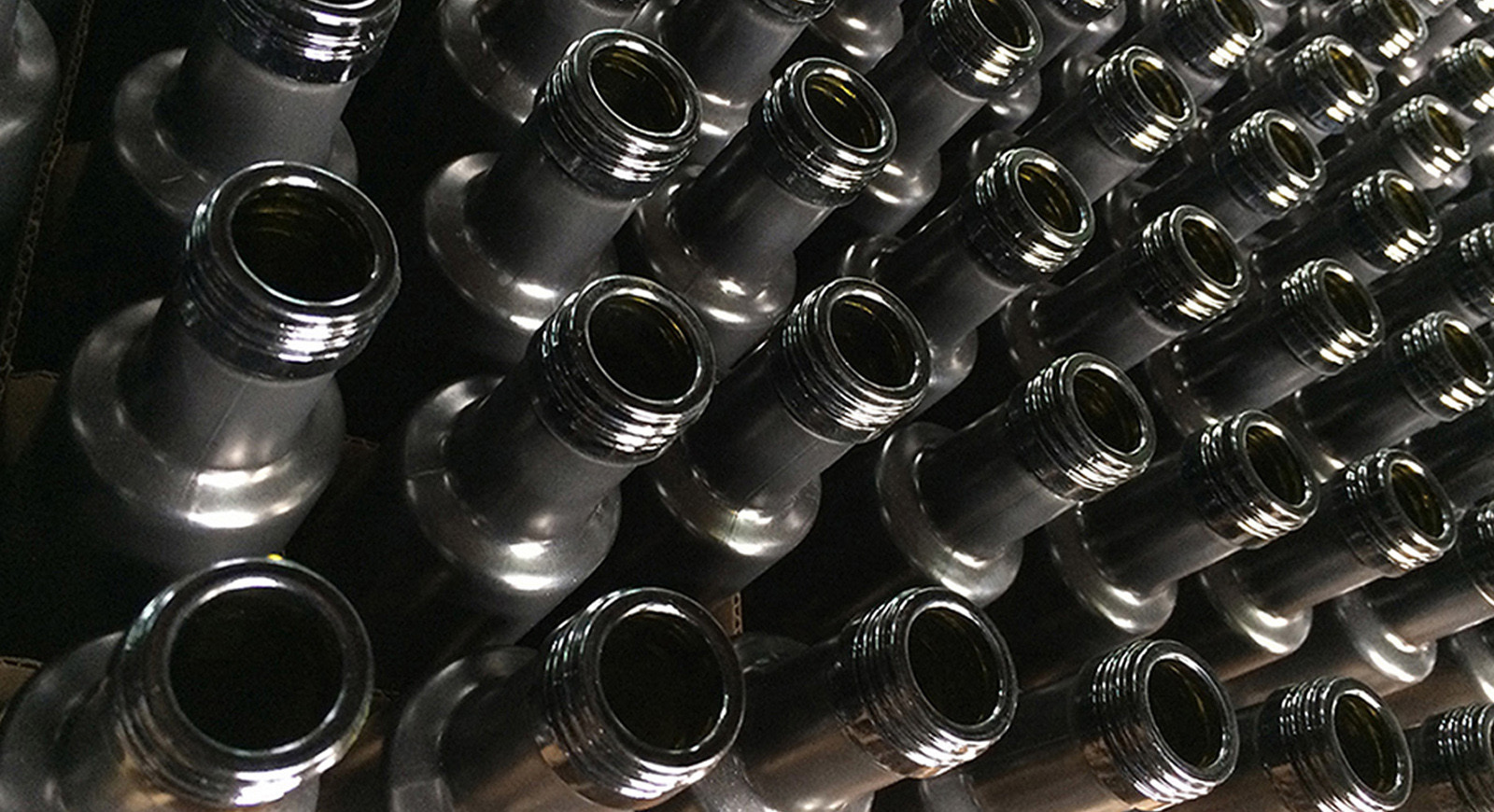
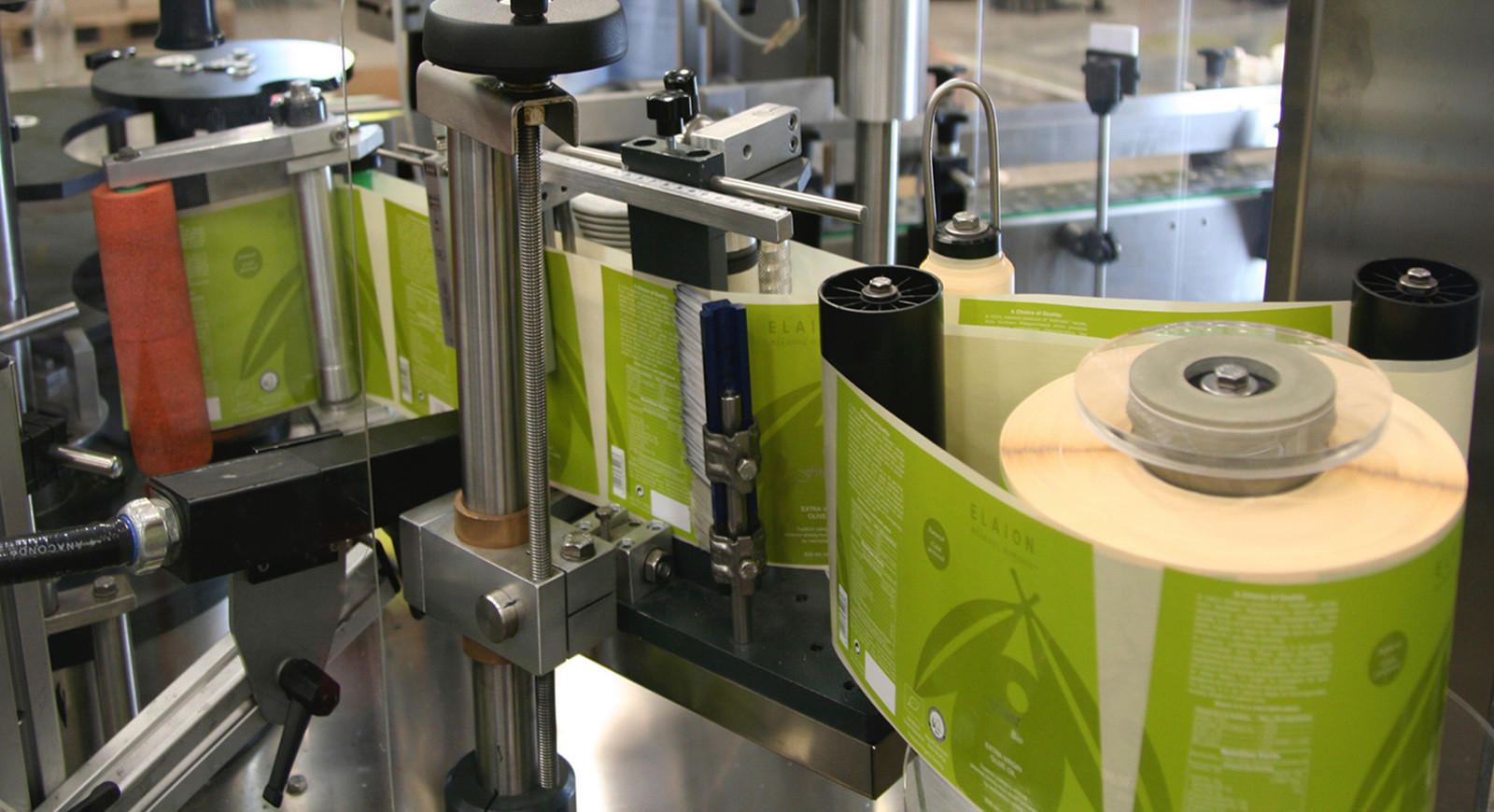
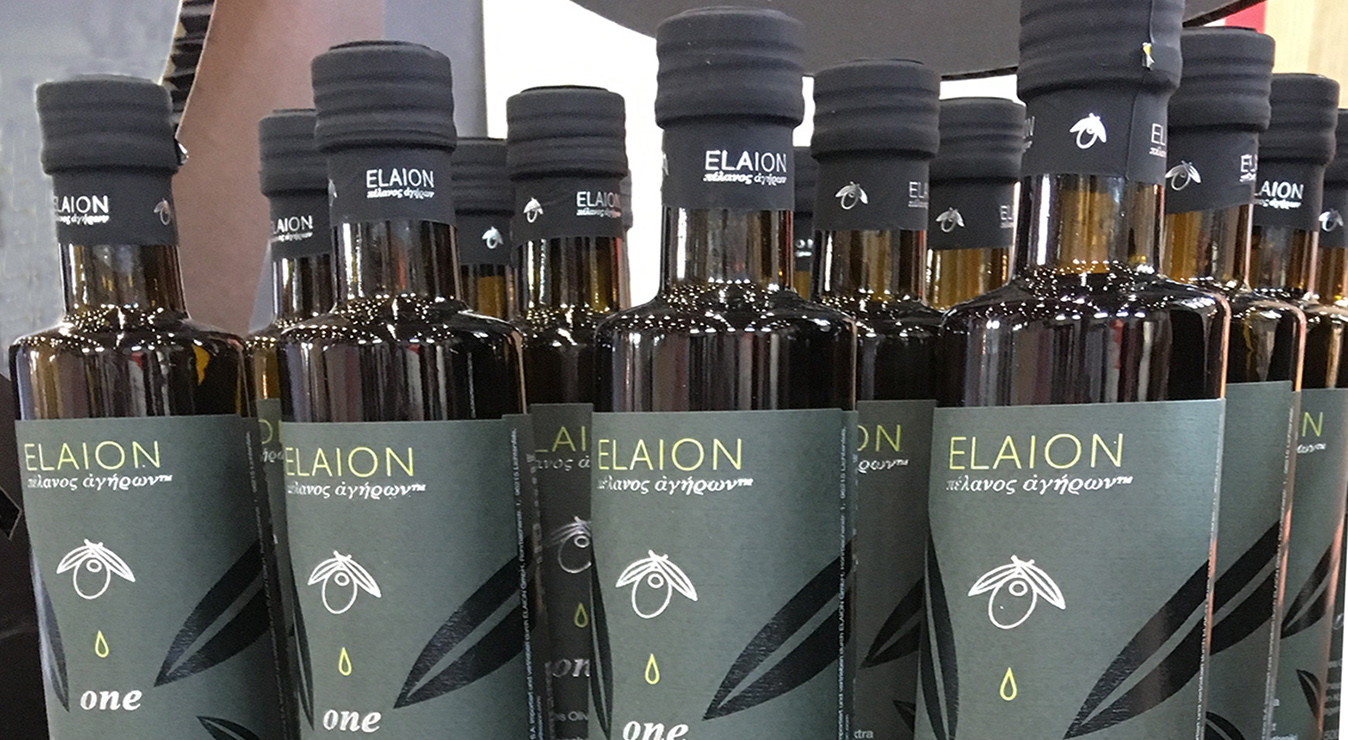
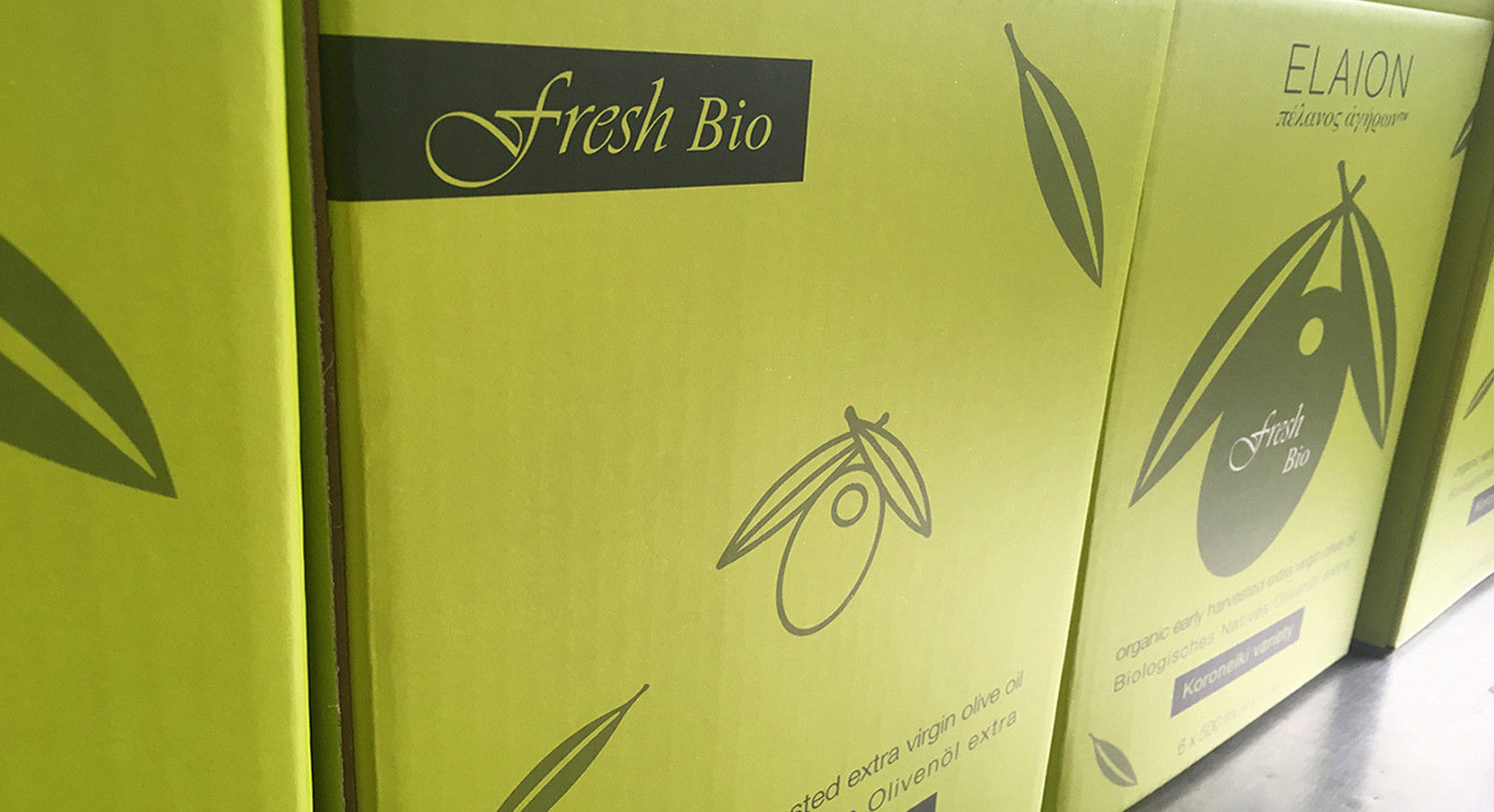
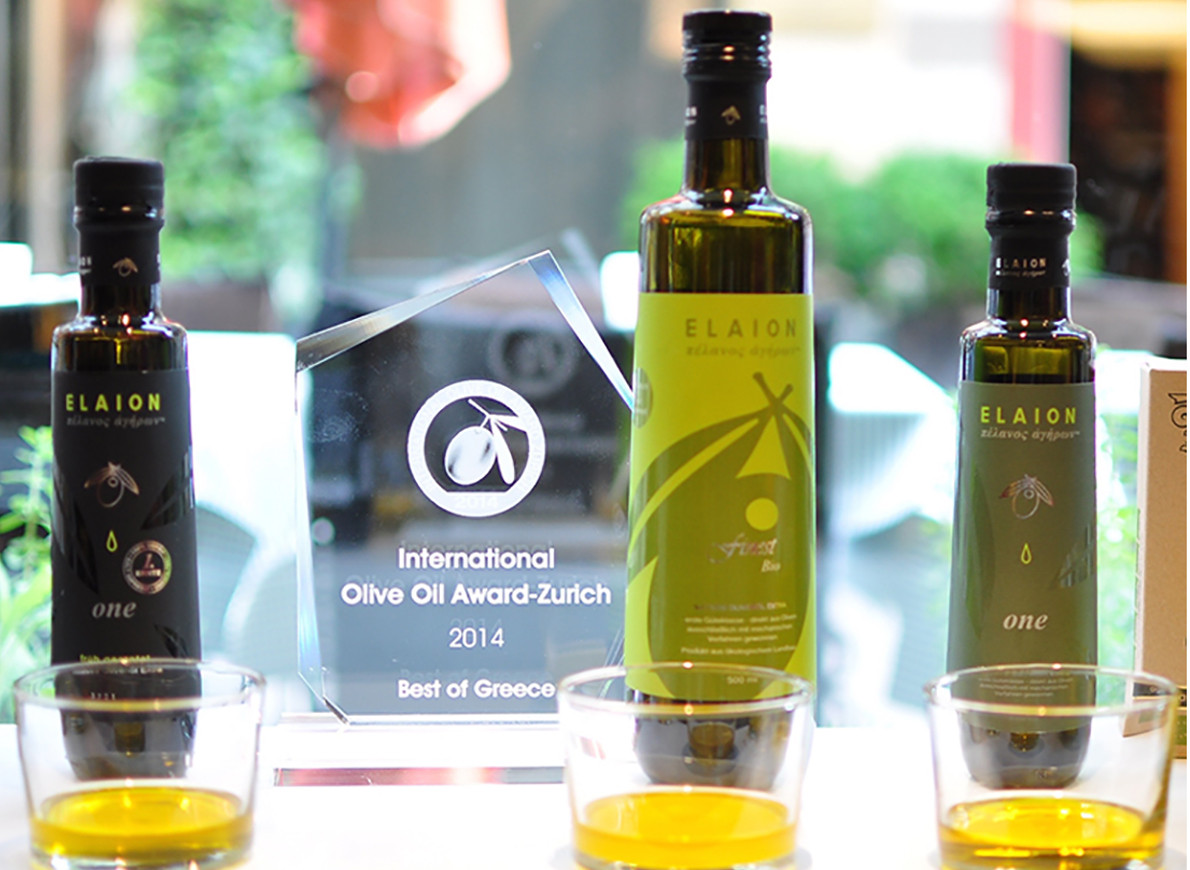
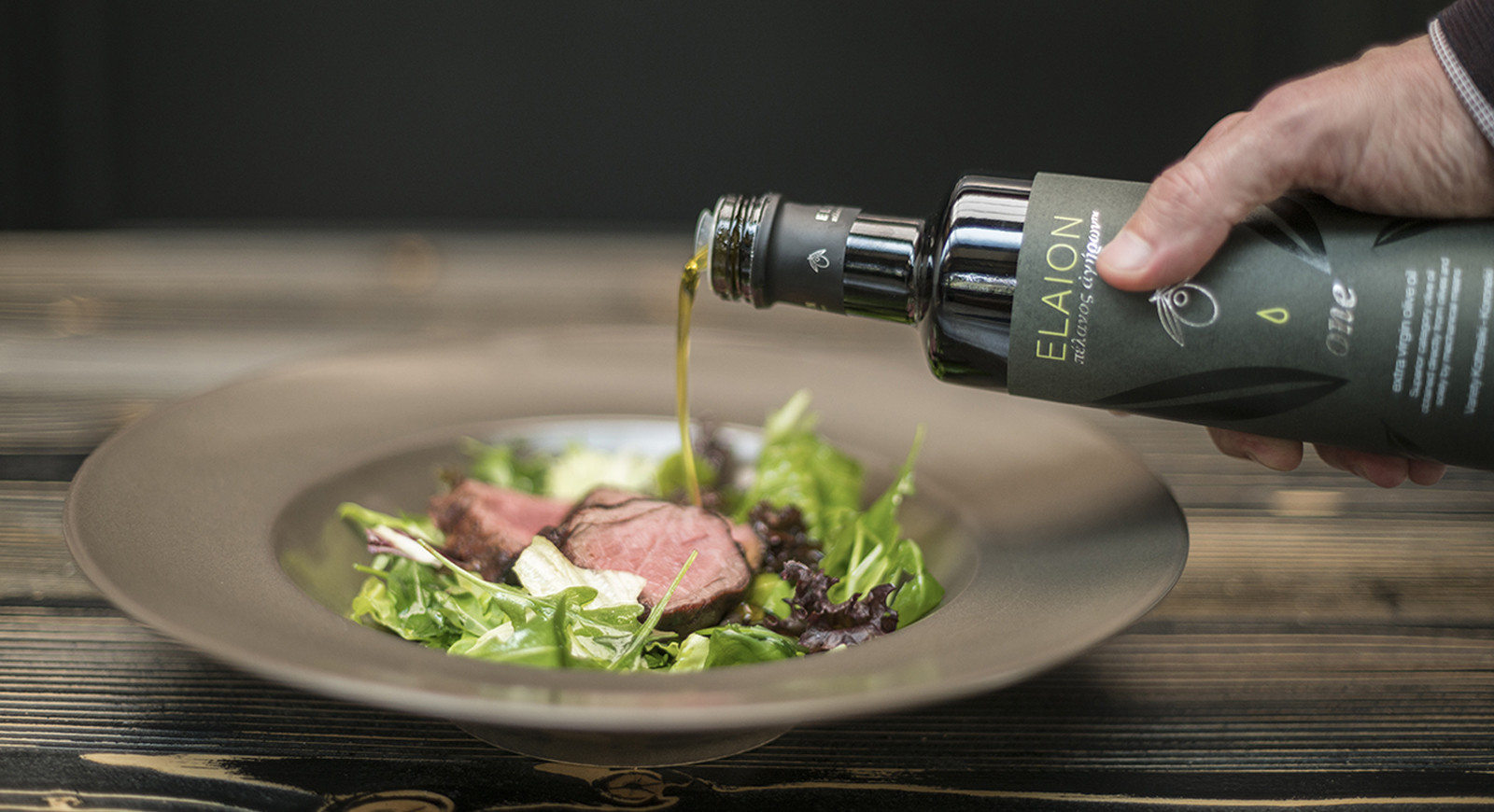

100% natural product, through the whole production procedure.
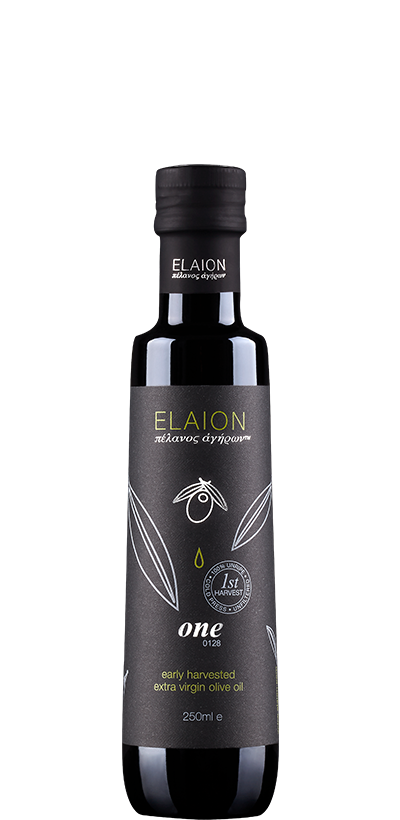
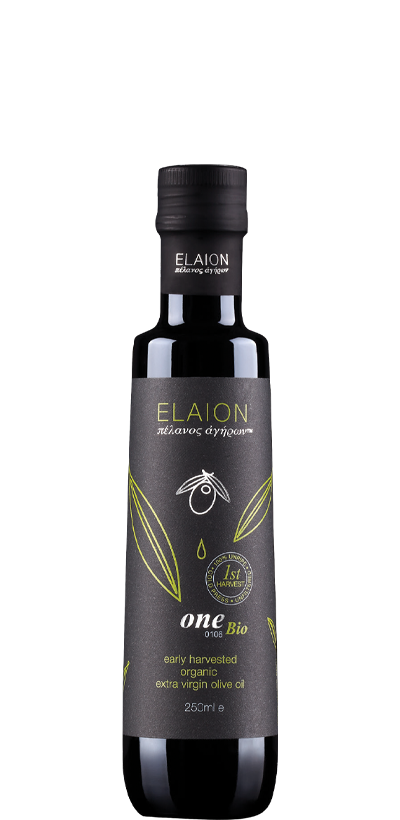
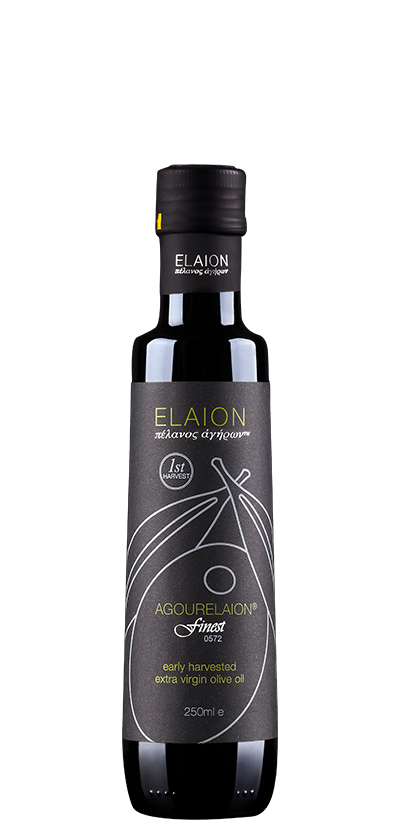
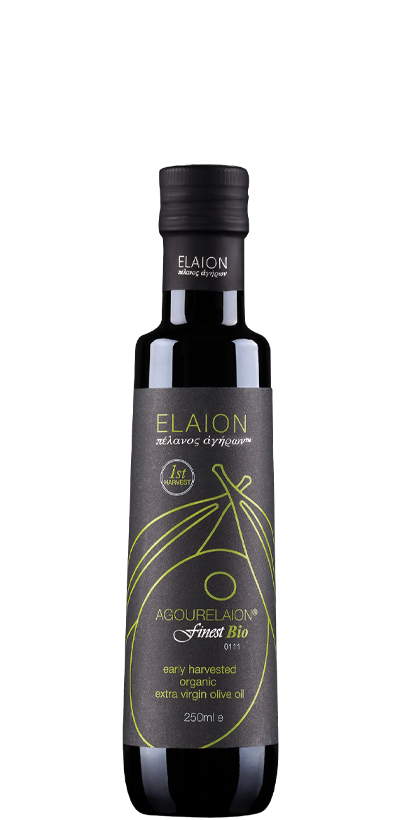
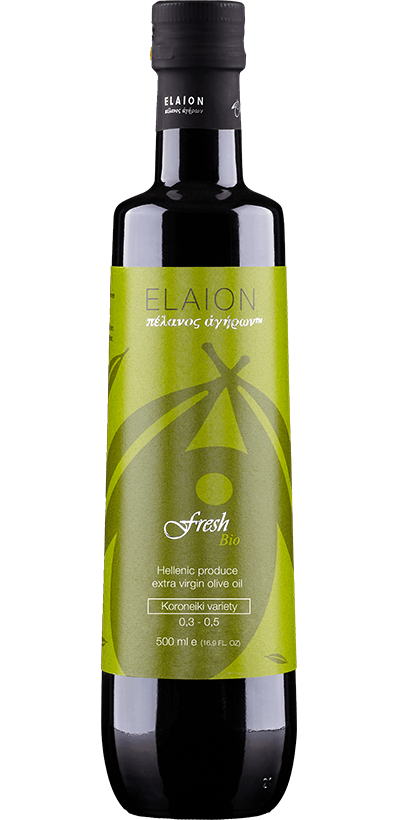
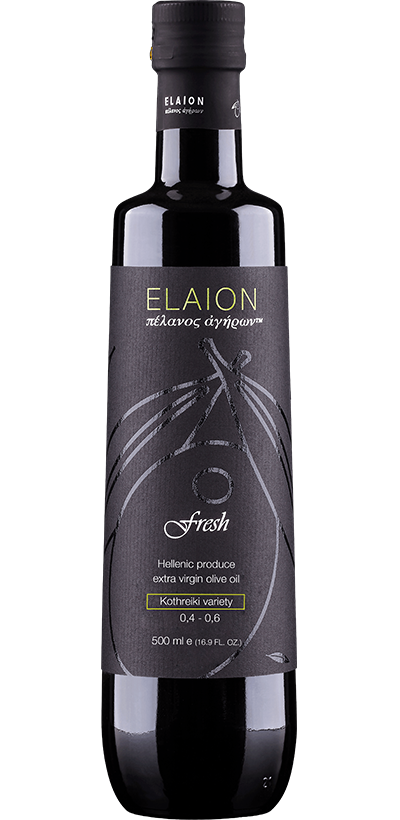
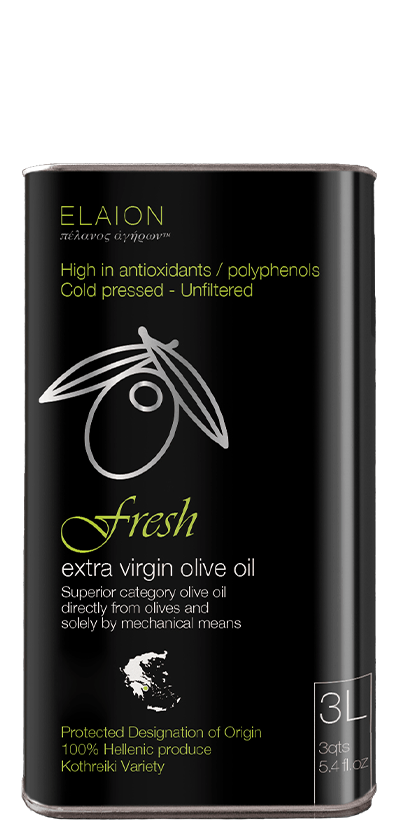

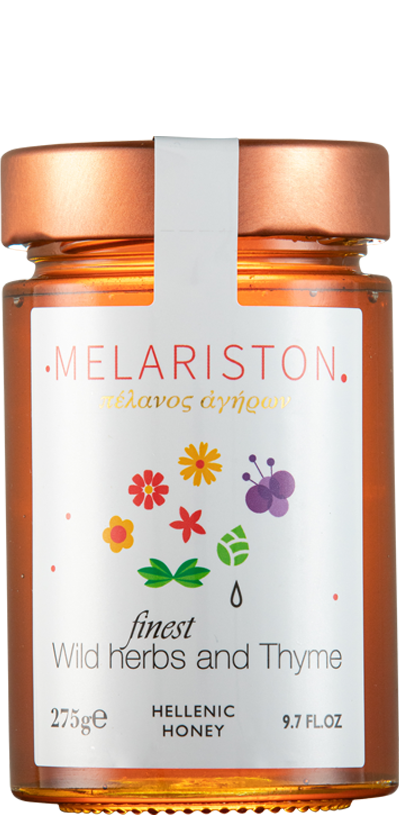
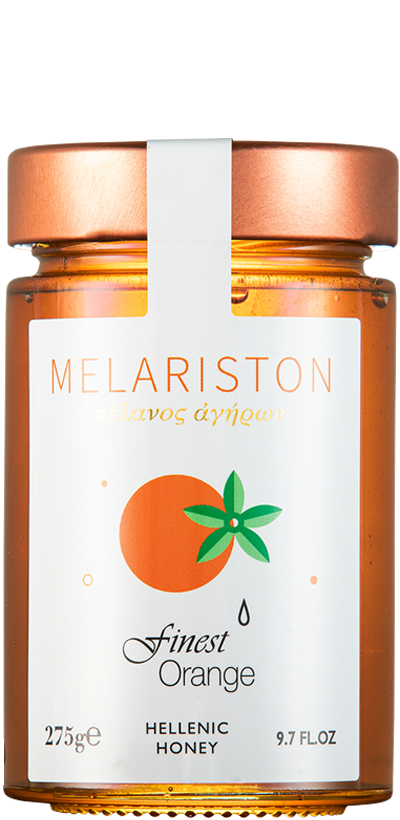
Seasonal honey from selected large-scale local producers.

FREQUENTLY ASKED QUESTIONS
What does “extra virgin” mean?
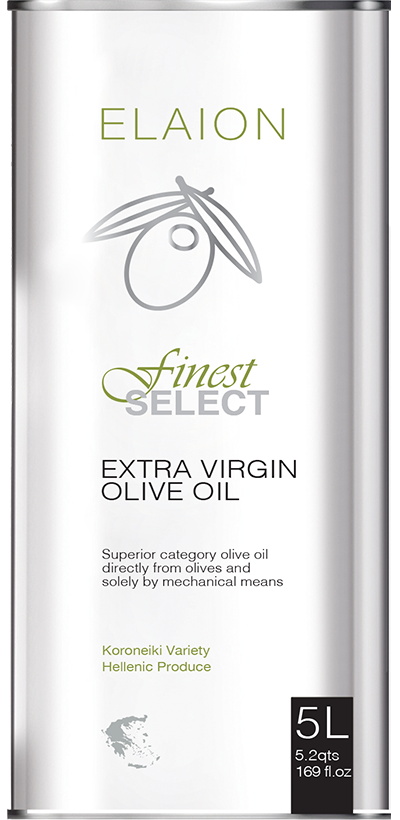
Extra Virgin olive oil is a superior category olive oil obtained directly from olives and solely by mechanical means. The olive oil must have an acidity of lower that 0,8% and meet both chemical and sensory (taste and smell) standards, set by the International Olive Council, in order to be classified as extra virgin.
Should extra virgin oil be used for cooking?
Extra virgin olive oil is ideal for cooking. It is used for frying as it is the best oil, rich in essential Omega 3 fatty acids and has the highest degree of resistance to degradation from heat, which means frying it does not produce toxic substances. It also contains aromatic compounds that help enhance the flavor of the dishes and is very versatile as it can be used in both raw and cooked food.
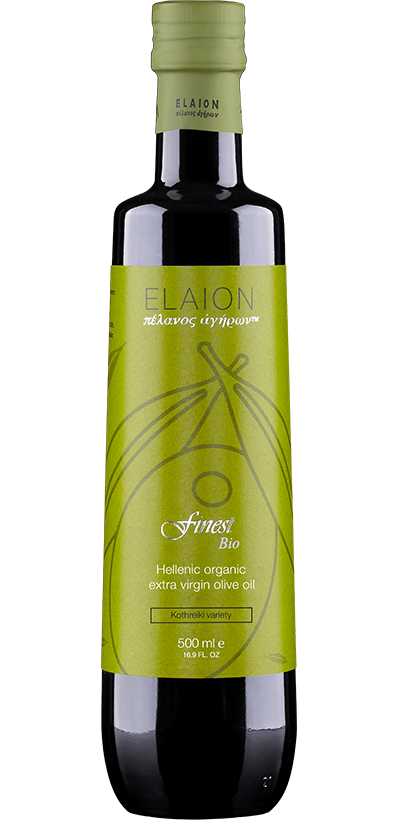
What is organic olive oil?
Organic olive oil is an olive oil derived from olives of organic farming. Organic farming consists of the use of conventional means, friendly to the environment, to fight disease and fertilization. Also, organic farming follows particular practices in the placement and orientation of olive trees in the groves, as well as the pruning. The fruit fly traps lead to the production of exceptional olive oil from organic and conventional farms, compared to aerial spraying. The label of an organic olive oil must mention the approval number and certification from recognized control bodies like DIO etc.